Um Ihnen ein optimales Erlebnis zu bieten, verwenden wir Technologien wie Cookies, um Geräteinformationen zu speichern und/oder darauf zuzugreifen. Wenn Sie diesen Technologien zustimmen, können wir Daten wie das Surfverhalten oder eindeutige IDs auf dieser Website verarbeiten. Wenn Sie Ihre Einwillligung nicht erteilen oder zurückziehen, können bestimmte Merkmale und Funktionen beeinträchtigt werden.
Die technische Speicherung oder der Zugang ist unbedingt erforderlich für den rechtmäßigen Zweck, die Nutzung eines bestimmten Dienstes zu ermöglichen, der vom Teilnehmer oder Nutzer ausdrücklich gewünscht wird, oder für den alleinigen Zweck, die Übertragung einer Nachricht über ein elektronisches Kommunikationsnetz durchzuführen.
Die technische Speicherung oder der Zugriff ist für den rechtmäßigen Zweck der Speicherung von Präferenzen erforderlich, die nicht vom Abonnenten oder Benutzer angefordert wurden.
Die technische Speicherung oder der Zugriff, der ausschließlich zu statistischen Zwecken erfolgt.
Die technische Speicherung oder der Zugriff, der ausschließlich zu anonymen statistischen Zwecken verwendet wird. Ohne eine Vorladung, die freiwillige Zustimmung deines Internetdienstanbieters oder zusätzliche Aufzeichnungen von Dritten können die zu diesem Zweck gespeicherten oder abgerufenen Informationen allein in der Regel nicht dazu verwendet werden, dich zu identifizieren.
Die technische Speicherung oder der Zugriff ist erforderlich, um Nutzerprofile zu erstellen, um Werbung zu versenden oder um den Nutzer auf einer Website oder über mehrere Websites hinweg zu ähnlichen Marketingzwecken zu verfolgen.





Radio Bremen –
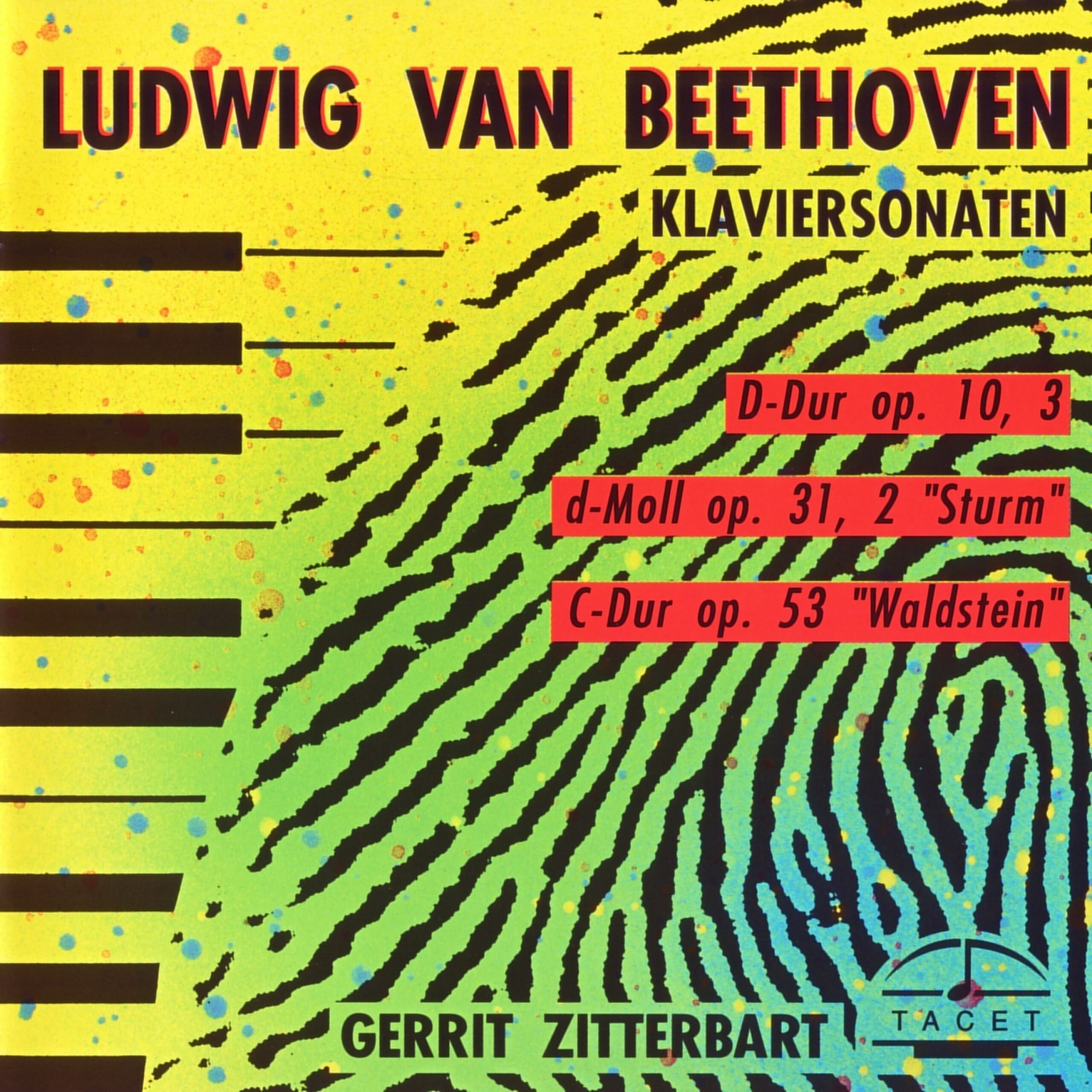
Ludwig van Beethoven’s piano sonatas, whose concentrated texture became a model for 19th-century piano music, have already been recorded countless times by innumerable pianists. When a pianist, primarily known and appreciated as a chamber musician, now approaches Beethoven as a solo performer, initial skepticism may arise. But Gerrit Zitterbart, pianist of the Abegg Trio, convinces the skeptics through his intellectually phrased playing, his intelligent structuring and colorful characterization of individual sections, and his ability to approach these oft-played sonatas with a refreshingly unselfconscious perspective.
Audio –
Gerrit Zitterbart, long known “only” as the pianist of the Abegg Trio, has prepared himself superbly for these three sonatas, as popular as they are demanding. His acrobatically agile fingers give the fast movements real drive, and even where they may seem a little rushed or overdriven, the professor from Hanover conjures so many subtleties into the music that it always remains coherent and full of tension. The Tacet engineers captured the sound of a magnificent Bösendorfer grand piano very well.
Hessischer Rundfunk –
The pianist of the next recording has written his own introductory notes for three Beethoven piano sonatas—by the way, with a clever pen. His Beethoven playing makes an outstanding impression. The Bösendorfer Imperial, which indeed sounds magnificent and is positioned at a relatively great distance from the microphones in a church setting, is played here by a pianist whose sense of sound is complemented by a pronounced feeling for form. Not only Beethoven’s early great Sonata in D major, but also the “Storm” and “Waldstein” sonatas are presented by Gerrit Zitterbart with a strong architectural sense of the structural laws of Beethovenian sonata form, phrased with assurance, yet also with unmistakable emotional engagement, with fire and temperament. All dynamic markings of Beethoven’s untamed musical furor are meticulously executed, and Zitterbart possesses a quality increasingly rare today, one that must underlie all music-making: calmness, patience for slowness, concentration on musical pauses or moments of stillness. Added to this is an unfailingly calm breath control, rhythmically clear articulation of musical progressions, and clarity in all voice-leading details.
Cone (Wien) –
Zitterbart’s playing is a model of meticulous elaboration with assured tempi. Moreover, his touch is nuanced and just as colorfully expressive as Beethoven demanded.
Musik und Theater –
A hardly known pianist who manages to captivate with familiar works does not come along often. Gerrit Zitterbart shows that it is possible. … enchanting tonal magic … This sensuousness of sound is appealing; it highlights expressive contrasts and clarifies structures; occasionally it leads to extreme contrasts, as in the first movement of Op. 30/2. In this way, the music gains force where needed, or a pulsating depth, as in the slow movements.
Frankfurter Rundschau –
Die sorgfältig betreuten Veröffentlichungen des Stuttgarter Labels Tacet verdienen Aufmerksamkeit. … Zitterbart kann schon nach diesem Eindruck zu den begabtesten Beethovenspielern seiner Generation gezählt werden…“
Hifi Vision –
… and, together with the excellent, already Tacet-typical sound quality of this CD, provides genuine enjoyment.